
Select Page

Safety Cabinet

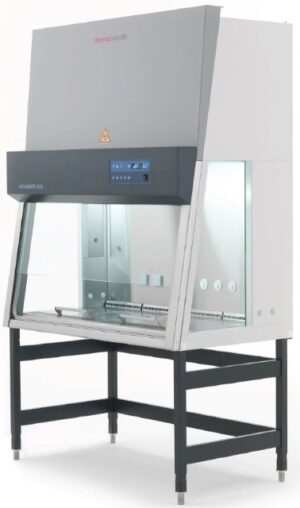
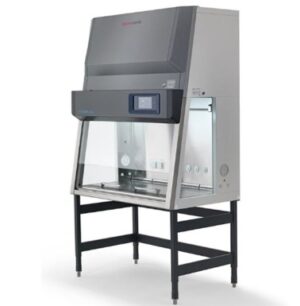
Safety cabinets are used for the secure storage of flammable and hazardous chemicals. They minimize risks by providing protection against fire propagation and explosions in laboratory and industrial environments.

Product

Safety Cabinet

Safety cabinets are used for the secure storage of flammable and hazardous chemicals. They minimize risks by providing protection against fire propagation and explosions in laboratory and industrial environments.

Suppliers

The following suppliers offer Safety Cabinet products.

Suppliers enabled for requests

You can send a request to the suppliers listed above and save time. Describe your requirements and the request will be forwarded to the selected suppliers. They will contact you with suitable proposals without any obligation.

Highlights

All Highlights

Guide and selection support

Safety cabinets are used to securely store hazardous substances such as flammable chemicals or compressed gas cylinders, thus reducing risks to personnel and the environment. The choice of an appropriate safety cabinet depends on the type of substances stored, the required volume, and necessary safety features such as fire protection and explosion protection. LabFinder aids in the selection of suitable safety cabinets by offering a structured overview of relevant products and information on safe hazardous materials storage.

Applications and Benefits

Safety cabinets are specially constructed types of storage cabinets for flammable chemicals, hazardous substances, or compressed gas cylinders. Their purpose is to prevent the spread of fire and minimize the risk of explosions in the event of a fire. They are mainly used in laboratories, industrial facilities, universities, and public institutions to protect people and ensure compliance with safety regulations.

Selection Criteria

When selecting a safety cabinet, factors such as the type and amount of hazardous materials to be stored must be considered. Other important aspects include the required fire and explosion protection class, the size and design of the cabinet, and additional features such as ventilation options, corrosion resistance, and ergonomic considerations.

Variants and Construction

Safety cabinets differ in terms of size, material, and protection class. Typical models are made with steel construction and fire-resistant doors. Additional variants may include cabinets with ventilation ports or special compartments for gas cylinders. The design is intended to withstand fire and securely contain hazardous substances.

Calibration and Maintenance

Safety cabinets do not require calibration. Regular maintenance includes checking locks, seals, the mechanical function of doors, and visual inspections for corrosion or damage. It is important to follow the manufacturer's maintenance recommendations to ensure long-term safe performance.

Limitations of Use

Safety cabinets protect against risks such as fire spread and explosions but do not replace comprehensive operational safety measures like ventilation concepts or proper handling of hazardous materials. Specific cabinet types may be required for certain groups of substances or for gas cylinders. Maximum storage capacity and substance combinations must be observed according to manufacturer guidelines.

Search Terms and Related Terms

Relevant search terms include: hazardous materials cabinet, fire protection cabinet, chemical safety cabinet, chemical storage, explosion-proof cabinet, gas cylinder cabinet, and secure hazardous material storage. These terms are useful for targeted searching and comparison of safety cabinets.

Also known as

hazardous materials cabinet fire protection cabinet hazardous materials storage cabinet chemical safety cabinet chemical storage cabinet safety chemical cabinet fire-rated safety cabinet fire-resistant hazardous cabinet flammable storage cabinet laboratory hazardous materials cabinet

Frequently asked questions

What is the purpose of a safety cabinet?

A safety cabinet is used for the secure storage of flammable chemicals and hazardous materials, in order to prevent fire spreading and avoid explosions in case of fire.

What types of safety cabinets are there?

There are various models, typically made of steel with fire-resistant construction, some with ventilation ports or special compartments for compressed gas cylinders.

How do I select the appropriate safety cabinet?

Key factors include the type and quantity of hazardous materials, required protection class, size, design, and additional requirements such as ventilation or corrosion resistance.

What maintenance measures are necessary for safety cabinets?

Regular checks of door locks, seals, and the cabinet surface for damage or corrosion are important to maintain protective function.

What are the limitations of safety cabinets?

Safety cabinets do not substitute for other safety measures such as room ventilation or personal protective equipment and may only be partially suitable for certain substances or combinations.

For suppliers

Supplier of Safety Cabinet?

Present your company on LabFinder and be listed for this product category as well as suitable related categories and brands.

Register as supplier
WordPress Cookie Notice by Real Cookie Banner