
Select Page

Sterilizers - Steam sterilizer

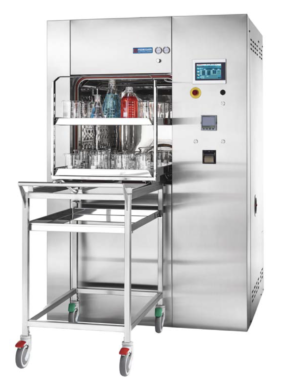
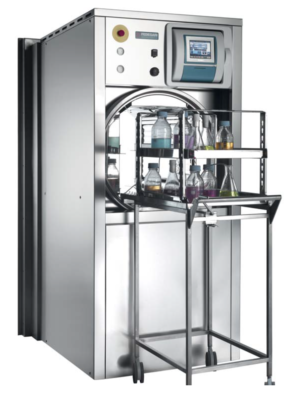
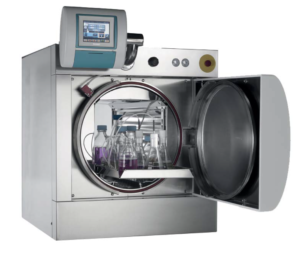
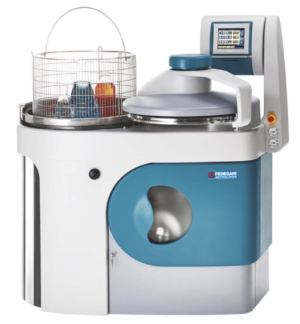
Steam sterilizers are devices designed to sterilize medical instruments and laboratory equipment using moist steam under pressure. They ensure the destruction of microorganisms through controlled temperature and pressure conditions.

Product

Sterilizers - Steam sterilizer

Steam sterilizers are devices designed to sterilize medical instruments and laboratory equipment using moist steam under pressure. They ensure the destruction of microorganisms through controlled temperature and pressure conditions.

Suppliers

Suppliers enabled for requests

The following suppliers offer products in the “Sterilizers - Steam sterilizer” category. Use the overview to compare suitable companies, brands and related product categories and send a direct request.

Send your request to selected suppliers at the same time. They will contact you without obligation with suitable proposals.

Highlights

All Highlights

Guide and selection support

Steam sterilizers are primarily used in laboratories and medical facilities to reliably remove bacterial and other pathogenic germs. Common applications include sterilizing glassware, surgical instruments, and liquid culture media.

When selecting steam sterilizers, parameters such as sterilization capacity, program cycle duration, temperature settings, and documentation options are important to meet the specific requirements of laboratory or clinical operations.

LabFinder provides a concise overview of various autoclave models and their technical specifications. This allows users to quickly find and compare suitable devices, supporting an efficient procurement process.

Applications and Benefits

Steam sterilizers, also known as autoclaves, use moist steam under pressure to destroy microorganisms such as bacteria and achieve sterilization. They are mainly used in medical settings for sterilizing surgical instruments and tools, and in biotechnology for sterilizing liquid media and glassware. Standard procedures typically require temperatures of at least 121°C at an overpressure of 1 bar (2 bar absolute) for about 20 minutes, with programs at 134°C and 3 bar often used for shorter sterilization cycles.

Selection Criteria

Key factors in selection include chamber sterilization capacity, the variety of programs including temperature and time controls, user-friendliness, and integrated documentation systems if needed. The suitability for the intended sterilization loads—such as delicate instruments or liquids—as well as compatibility with existing laboratory workflows are crucial. Considerations such as energy consumption and maintenance requirements also play a role in evaluation.

Types and Functional Principles

Steam sterilizers vary in chamber size, degree of automation, and controls. The basic principle is the use of saturated water steam under pressure, which destroys the cell structures of microorganisms. Rapid (flash) sterilizers offer shortened cycles, while laboratory models may provide additional programs for specific sterilization goods. Units can be stationary or mobile, depending on laboratory or clinical needs.

Calibration and Maintenance

Regular maintenance and inspection are necessary to ensure safe and reproducible sterilization. This includes checking temperature and pressure sensors and cleaning the chamber. Periodic calibration supports reliable process management and helps meet quality standards.

Limitations of Use

Steam sterilizers are not suitable for materials that are sensitive to heat or moisture, as the process involves high temperatures and humidity. Certain plastics, electronics, or powders can be damaged by moist heat sterilization. Alternative sterilization methods should be considered for such cases.

Search Terms and Related Terms

Synonyms and related terms include autoclave, steam autoclave, rapid sterilizer, sterilization apparatus, pressure steam sterilizer, and moist heat steam sterilizer. Common keywords are sterilization, steam, disinfection, sterile surgical instruments, glass sterilization, and laboratory equipment.

Also known as

autoclave chamber autoclave laboratory autoclave pressure steam sterilizer rapid sterilizer steam autoclave steam sterilization steam sterilization unit sterilization apparatus sterilization chamber

Frequently asked questions

How does a steam sterilizer work?

A steam sterilizer utilizes saturated water steam under pressure to kill microorganisms through heat, thus achieving sterilization.

What types of materials can be sterilized with a steam sterilizer?

Typical materials include medical instruments, glassware, and liquid culture media that are resistant to heat and moisture.

What criteria are important when selecting a steam sterilizer?

Important criteria include chamber size, program variety, controls, documentation options, and adaptation to the items to be sterilized.

What operating parameters are typically used for steam sterilization?

Common parameters are temperatures of 121°C at 1 bar overpressure or 134°C at 3 bar for defined periods, with exact parameters adapted to the load.

What are the limitations of using steam sterilizers?

Steam sterilization is not suitable for heat- or moisture-sensitive materials, as well as certain plastics and electronic components.

For suppliers and service companies

Supplier or service provider in the Sterilizers - Steam sterilizer category?

Do you offer products or services in the Sterilizers - Steam sterilizer category? Present your company on LabFinder and gain visibility in suitable product categories, brands and enquiries.

WordPress Cookie Notice by Real Cookie Banner