
Select Page

Automatic sampler

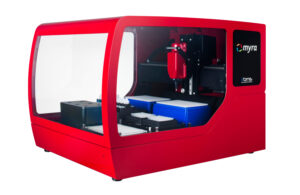
Automatic samplers enable precise, programmable sample collection without manual intervention. They increase efficiency and reproducibility in analytical workflows.

Product

Automatic sampler

Automatic samplers enable precise, programmable sample collection without manual intervention. They increase efficiency and reproducibility in analytical workflows.

Suppliers

Suppliers enabled for requests

The following suppliers offer Automatic sampler products. Use the overview to compare suitable companies, brands and related product categories and send a direct request.

You can send a request to the suppliers listed above and save time. Describe your requirements and the request will be forwarded to the selected suppliers. They will contact you with suitable proposals without any obligation.

Highlights

All Highlights

Guide and selection support

Automatic samplers are used to collect samples fully automatically, reproducibly, and at scheduled intervals from a wide range of media, most often in laboratories or process environments. They support standardization and continuous sample collection without the need for operating personnel.

When selecting a system, factors such as sample type, compatibility with sample carriers, programmable workflows, degree of automation, and interfaces for integration into existing analytical systems are crucial. Requirements for sample volume and cleaning concepts also influence the choice.

LabFinder offers you a targeted overview of automatic samplers, including technical details and guidance for selection. This allows you to find suitable systems for your laboratory and process automation, with a focus on precise and reproducible sampling.

Applications and Benefits

Automatic samplers are used to collect samples from liquids, gases, or solids in a programmable way and without manual intervention. They enable continuous and standardized sampling, which is especially important in process control, environmental analysis, microbiology, and various laboratory applications. Automation makes workflows more efficient, minimizes sources of error, and improves the comparability of sample results.

Selection Criteria

Key selection criteria include the sample material and its properties, required sample volume, and possibilities for integration into existing systems. Programmability of sampling cycles, flexibility in sample collection (e.g., number and operation of sampling points), compatibility with sample carriers, and robustness to environmental conditions are also important. The degree of automation and maintenance requirements additionally play a role in the decision.

Types and Measurement Principles

Automatic samplers come in various designs, depending on the application and medium. There are models for liquid samples, using pumps or suction mechanisms, as well as systems for solid samples or gas collection. Some automatic samplers integrate collection units that obtain samples by quantity or time schedule and provide them for subsequent analysis. The choice depends on the intended application.

Calibration and Maintenance

Regular maintenance is important to ensure the accuracy and reliability of sample collection. This includes cleaning sample probes and pathways, as well as functional checks of programmable modules. Calibration mainly refers to volumetric parameters or sensors integrated into the system, if applicable. Documentation and compliance with testing intervals are recommended.

Application Limitations

Automatic samplers are not suitable for all sample types or for very complex sample carriers. Samples with very high viscosity, large solid fractions, or instabilities may require manual collection. There are also limitations for sampling under extreme temperature or pressure conditions, unless a special device design is provided.

Search Terms and Related Concepts

Synonyms and relevant search terms include: automatic sampler, automatic sample collector, automatic sampling system, automatic sample automation, sample transfer, sample automation, reproducible sample collection, automated sample preparation, and sample acquisition. These terms can help in searching for suitable solutions in the field of automated sampling.

Also known as

automatic sampling automatic sample collector automatic sample system automatic sample automation automatic sample extractor automatic sample taker automatic collection vessel for samples automatic sample scanner automatic probe extractor automatic sample shaft

Frequently asked questions

How does an automatic sampler work?

An automatic sampler collects samples programmably and autonomously from a medium, often using probe techniques, pumps, or suction devices. Sampling occurs time- or quantity-based, without manual operation.

What types of automatic samplers are there?

There are automatic samplers for liquids, gases, and solids. The variants differ in their sample transfer mechanisms, including pipetting systems, suction pumps, automatic collection systems, or gas sampling modules.

What are the key selection criteria for automatic samplers?

Important criteria include the sample medium, sample size, programmability of sampling cycles, compatibility with existing equipment, degree of automation, cleaning concepts, and maintenance requirements.

What are the limitations of using automatic samplers?

Not all sample types are suitable for automatic collection, especially highly viscous or strongly heterogeneous samples. In addition, temperature and pressure conditions, as well as sample stability, can limit the use of automatic systems.

For suppliers

Supplier of Automatic sampler?

Present your company on LabFinder and be listed for this product category as well as suitable related categories and brands.

WordPress Cookie Notice by Real Cookie Banner