
Select Page

Total organic carbon (TOC) Analyzer

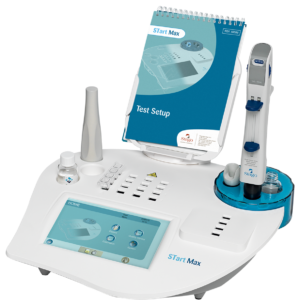
TOC analyzers determine total organic carbon in liquid or solid samples. They are essential for environmental, water, and process analysis.

Product

Total organic carbon (TOC) Analyzer

TOC analyzers determine total organic carbon in liquid or solid samples. They are essential for environmental, water, and process analysis.

Suppliers

Suppliers enabled for requests

The following suppliers offer Total organic carbon (TOC) Analyzer products. Use the overview to compare suitable companies, brands and related product categories and send a direct request.

You can send a request to the suppliers listed above and save time. Describe your requirements and the request will be forwarded to the selected suppliers. They will contact you with suitable proposals without any obligation.

Highlights

All Highlights

Guide and selection support

Total organic carbon analyzers analyze the content of total carbon in samples from water, wastewater, or other materials. They are used to determine organic contaminants and support quality control. When choosing a device, measurement principle, sample type, and measurement accuracy are key to selecting the right category. LabFinder assists users in finding suitable TOC analyzers by clearly presenting relevant product criteria. This enables efficient instrument selection for laboratory analysis.

Application and Benefits

Total organic carbon (TOC) analyzers are used for the quantitative determination of total organic carbon in water, wastewater, process liquids, soil extracts, or other samples. The TOC value indicates the concentration of organic impurities and is a key parameter for monitoring environmental quality, water treatment, and process control. Measurement supports compliance with analytical requirements and helps assess pollutant loads.

Selection Criteria

Important criteria include measurement principle (e.g., infrared detection after combustion, UV oxidation), type of sample, and required measurement accuracy. Sample throughput and automation level are also relevant. Other factors are the compatibility with sample sizes and volumes, sample preparation requirements, and maintenance needs. Requirements for data communication interfaces should also be considered.

Variants and Measurement Principles

TOC analyzers generally use combustion or UV oxidation of organic substances to convert carbon to CO2, which is then measured by infrared or NDIR sensors. There are instruments for single measurements and for automated sample throughput systems. The instruments differ based on application, e.g., laboratory or online measurements, and are designed for different types of samples.

Calibration and Maintenance

Regular calibration is necessary to ensure accurate results. This usually involves standard solutions with a defined TOC content. Maintenance includes cleaning sample paths and replacing consumables such as combustion chambers and sensors. A well-documented calibration and maintenance routine contributes to the reliability and longevity of the TOC analyzer.

Limitations

TOC analyzers detect all organic carbon compounds without specifying individual substances. High levels of inorganic interferents or solids can complicate measurement. Larger particles may need to be filtered or pre-treated. The systems do not provide information about the specific chemical composition of the organic fractions.

Keywords and Synonyms

Synonyms and common search terms are TOC device, TOC analyzer, organic carbon analyzer, carbon measuring instrument, total organic carbon analyzer, and TOC measuring instrument. Other keywords include total organic carbon, sample analysis, water analysis, laboratory measuring instruments, organic pollutant measurement, and analytical measurement.

Also known as

TOC device TOC analyzer organic carbon analyzer carbon measuring instrument total organic carbon analyzer total carbon analyzer TOC measuring instrument TOC measuring apparatus organic carbon measurement TOC analyser

Frequently asked questions

How does a TOC analyzer work?

A TOC analyzer oxidizes organic carbon compounds in the sample, usually thermally or using UV light, to CO2, which is then measured quantitatively.

What types of TOC analyzers are available?

There are mainly analyzers with combustion or UV oxidation techniques, differing in measurement accuracy and automation. Single and online measurement systems also exist.

What kinds of samples can be analyzed with a TOC analyzer?

TOC analyzers are suitable for liquid samples like water and wastewater, and can also analyze solid or suspended substances after appropriate sample preparation.

What should be considered when selecting a TOC analyzer?

Key factors are the suitable measurement principle, sample type, required throughput, measurement accuracy, user convenience, and maintenance effort.

What are the limitations of TOC measurement?

TOC analyzers determine only the total amount of organic carbon, not individual substances. Interfering parameters such as particulates or inorganics can affect the result.

For suppliers

Supplier of Total organic carbon (TOC) Analyzer?

Present your company on LabFinder and be listed for this product category as well as suitable related categories and brands.

Register as supplier
WordPress Cookie Notice by Real Cookie Banner