
Plate readers analyze biological, chemical, and physical processes in microtiter plates by detecting signals such as absorbance, fluorescence, and luminescence.
The following suppliers offer Plate Reader products.
You can send a request to the suppliers listed above and save time. Describe your requirements and the request will be forwarded to the selected suppliers. They will contact you with suitable proposals without any obligation.
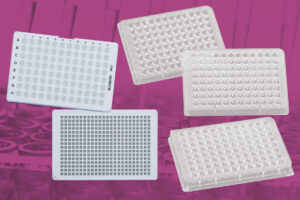
Plate readers are used for the analysis of samples in microtiter plates, for example in ELISA, protein quantification, or cell culture assays. These instruments support various detection methods such as absorbance or fluorescence measurements.
Key factors when selecting a plate reader include the available detection modes, measurement accuracy, throughput capacity, and compatibility with different plate types. Features like multimode capability can offer additional flexibility.
LabFinder provides a structured overview of plate readers, helping users find devices based on application and technical characteristics. This facilitates procurement decisions and makes it easier to compare different models.
Plate readers are used to measure and evaluate biological, chemical, and physical reactions in microtiter plates. They allow analysis of assays such as ELISAs, protein and cell growth tests, nucleic acid quantification, immunoassays, and high-throughput screenings. In doing so, optical signals are detected, which provide information about sample properties and are used in research, diagnostics, or quality control.
Key selection criteria include the detection principle offered (e.g. absorbance, fluorescence, luminescence, fluorescence polarization), the number of samples that can be measured simultaneously, and compatibility with various plate types and formats. Other considerations are ease of use, software functions for data analysis, and possible multimode capabilities that combine multiple detection modes in one instrument.
The main variants of plate readers differ according to their detection principle. Absorbance readers are commonly used for color intensity measurement, fluorescence readers allow sensitive detection of specific markers, while luminescence readers are optimized for detecting very low signal levels. Multimode readers integrate several of these principles for versatile applications.
Regular calibration, maintenance, and cleaning are essential for reliable measurement results. Calibration is often performed using defined standards or control samples. Manufacturer guidelines for maintenance help ensure optimal functionality and extend the instrument’s service life.
Plate readers are limited to microtiter plates as sample vessels and can be influenced by interfering factors such as sample matrix or light scattering depending on the detection principle. Not all signal types are suitable for every type of plate reader, which should be considered when selecting an instrument. Additionally, they are designed for raw data measurement and usually require additional software for complex data analysis.
Synonyms and related search terms include microtiter plate reader, multiwell reader, microtiter plate photometer, plate reader, microplate photometer, multimode plate reader, and plate photometer. Common keywords are absorbance measurement, fluorescence measurement, luminescence, ELISA, protein quantification, cell culture assays, and high-throughput screening.
A plate reader measures optical signals from samples in microtiter plates using various principles such as absorbance, fluorescence, or luminescence. Changes in light intensity are detected, allowing conclusions about analytical parameters.
There are devices specialized for a single detection principle as well as multimode readers that combine several methods such as absorbance, fluorescence, and luminescence in one instrument.
Key factors are the detection principle, compatibility with the microtiter plates used, measurement accuracy, throughput capacity, and the software functions offered for data analysis.
Common applications include ELISA, protein and cell growth tests, nucleic acid quantification, immunoassays, enzyme activity measurements, and high-throughput screenings.
These instruments are limited to microtiter plates and can be affected by factors such as sample matrix or light scattering. Additionally, complex analyses often require supplementary software systems.
Present your company on LabFinder and be listed for this product category as well as suitable related categories and brands.